The 5-Point Checklist for Spotting Fake Autographed Memorabilia
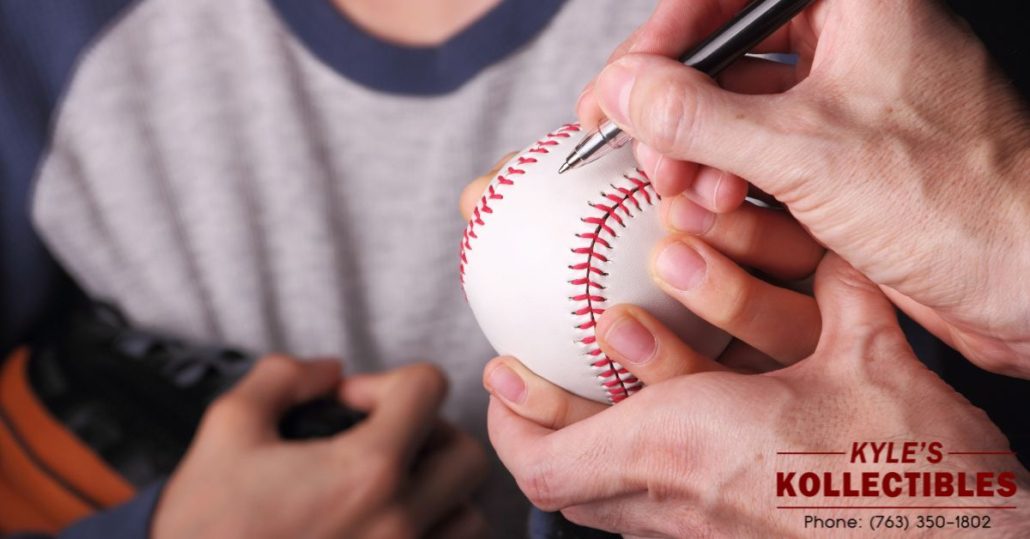
Autographed memorabilia is one of the most exciting areas of collecting—but also one of the riskiest. For every genuine signature on the market, there are countless counterfeits designed to fool buyers. Whether you’re new to collecting or evaluating an estate, learning how to spot fake autographs is essential.
At Kyle’s Kollectibles, we help collectors make confident, informed purchases. This simple 5-point checklist will help you identify red flags and avoid costly mistakes.
1. Examine the Signature’s Flow and Natural Variation
Authentic signatures typically show:
- Smooth, continuous pen flow
- Natural variation from one autograph to another
- Pressure changes consistent with natural handwriting
Forgeries often look shaky, overly slow, or too perfect. If the signature looks “traced” or mechanically precise, that’s a warning sign.
2. Inspect the Pen Pressure and Ink Consistency
Genuine autographs typically show variation in ink saturation and pressure. Look closely for:
- Consistent pen lift and direction
- Signs of natural signing movement
- Ink sitting on the surface instead of bleeding through unnaturally
Counterfeit signatures may display uniform pressure, spotting, or unusual ink pooling.
3. Look for Authentic COAs—from Reputable Sources Only
Certificates of Authenticity (COAs) are only as valuable as the company issuing them. Trusted third-party authenticators include:
- PSA/DNA
- JSA (James Spence Authentication)
- Beckett Authentication Services
Be cautious of generic COAs or certificates issued directly by unknown sellers. A fake COA is one of the most common tactics used by counterfeiters.
4. Verify the Item Matches Known Signing Habits
Professional athletes and celebrities have signature habits and patterns that remain relatively consistent over time. A suspicious autograph may:
- Be on an item the signer rarely autographed
- Use a signature style not consistent with the era
- Include flourishes or loops not typical for that individual
Comparing the signature to verified examples is one of the most reliable ways to expose a fake.
 5. Evaluate the Price and Source
If the price seems too good to be true—it usually is. Be cautious when:
- The seller has no verifiable history
- The listing emphasizes “No returns accepted”
- Items come from flea markets, estate sales, or online auctions without COAs
- The deal is significantly cheaper than market value
Authentic autographs retain stable value. Suspiciously low prices are often a signal of counterfeit merchandise.
When in Doubt, Consult a Professional
Even experienced collectors can be fooled by high-quality counterfeits. If you’re uncertain, a professional authentication service or collectibles specialist can provide expert evaluation.
At Kyle’s Kollectibles, we help buyers and estate managers verify autographed items, assess value, and make safe purchasing decisions.
Spotting fake autographed memorabilia requires attention to detail, awareness of market practices, and an understanding of signature characteristics. By using this 5-point checklist, you can protect yourself, your investment, and your collection.
If you need help authenticating memorabilia or evaluating an estate collection, Kyle’s Kollectibles is here to assist.
FAQs
1. What’s the most reliable way to verify an autograph?
A certification from a trusted third-party authenticator is the strongest evidence of authenticity.
2. Are COAs enough on their own?
Not always. Only COAs from reputable companies add meaningful verification.
3. Can fake signatures look convincing?
Yes—some forgeries are extremely sophisticated. That’s why comparing verified signature examples is crucial.
4. Should I avoid autographs without COAs?
Not necessarily, but you should approach with caution and consider professional authentication.
5. Is it safe to buy signed memorabilia online?
It can be—if you buy from trusted sellers, authenticated items, or verified dealers like Kyle’s Kollectibles.